Landing Page vs Sales Page: What’s the Difference (and Which One Do You Need?)
Pin this post to Pinterest! ☝🏻
Landing Page vs Sales Page: What’s the Difference (and Which One Do You Need?)
If you’re DIY-ing your website or even just updating a few pages, you’ve probably heard terms like landing page, sales page, and home page thrown around. But what do they actually mean? Do you need all of them? Are they basically the same thing?
Short answer: no, they’re not the same — and yes, each one has a specific job to do.
In this post, we’ll break down the difference between landing pages and sales pages, and how your home page fits in too (hint: think of it as the welcome center of your site).
What Is a Landing Page?
A landing page is a focused, stand-alone page with one goal: to get someone to take a specific action.
Usually, that means signing up for a freebie, joining a waitlist, or registering for a webinar. These pages are distraction-free — no navigation menus, no “learn more” links — just a single CTA (call to action) that you really want the reader to click.
WHAT IS A LANDING PAGE USED FOR?
Email opt-ins
Ads
Lead magnets
Event registrations
Free trials or offers
HOW LONG SHOULD THE PAGE BE?
It depends on what you’re offering and where your audience is coming from. If your landing page is promoting a freebie like a checklist or guide, a short and focused page with a clear headline, a few bullet points, and a strong call to action might be all you need.
But if you’re asking someone to book a consultation or they’re a cold audience (say, from a Facebook ad), you’ll likely need a longer page that builds trust, explains the value of your offer, and answers common questions.
In other words—keep it as long as it needs to be to help someone confidently say “yes.”
WHAT SHOULD I INCLUDE?
To create an effective landing page, focus on delivering a clear, value-driven message with one strong call to action.
Clear headline with a benefit
Brief description of the offer
Testimonial
A strong, single call to action (CTA)
A simple form with essential fields
WHAT SHOULD I NOT INCLUDE?
Be sure to remove any distractions, like:
The header and footer
Any buttons or hyperlinks other than what you actually want them to click
EXAMPLE:
Take a look at the landing page that I use for my Free SEO Checklist lead magnet.
How to Create a Landing Page in Squarespace
Squarespace makes it surprisingly easy to build a distraction-free landing page without touching a line of code.
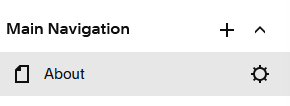
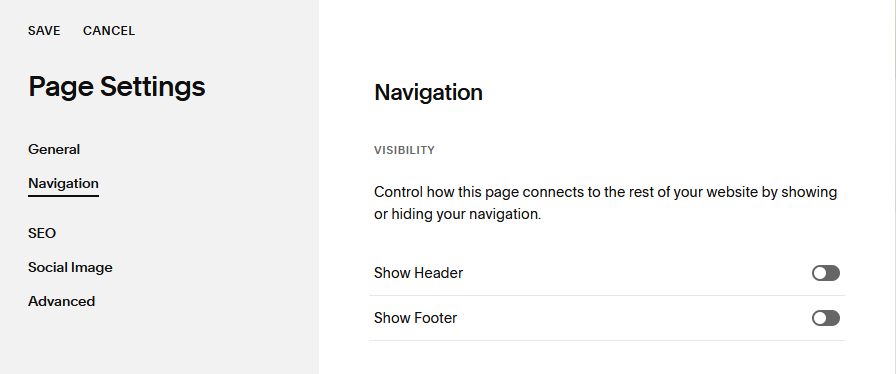
Start by adding a new blank page to your site. Next, click the gear icon to get to the page settings. Then go to the Navigation tab and uncheck the option to show the header and footer. This removes your site navigation from the page entirely, which is exactly what you want on a landing page since you don't want visitors getting distracted and clicking another link.
From there, build the page out like you would any other Squarespace page. Add a strong headline, a brief description of your offer, and a form block to collect emails or sign-ups. Keep it simple: one clear message and one call to action.
You should also remove the page from your top navigation menu entirely (just drag it to the “Not Linked” section) so it's only accessible via a direct link.

What Is a Sales Page?
A sales page is a longer, more detailed page that’s designed to sell something.
It could be a product, a service, a course, or a downloadable guide. The content walks your reader through the problem, the solution you’re offering, the benefits, and any objections they might have before making a purchase.
WHAT IS A SALES PAGE USED FOR?
Selling a product
Service
Course
HOW LONG SHOULD THE PAGE BE?
A sales page length can vary, but it should be as long as necessary to effectively convey the offer and drive conversions without overwhelming the visitor.
Keep it focused
Ensure key points are easy to skim
Include enough content to build trust and persuade
Avoid excessive length that distracts or tires the reader
WHAT SHOULD I INCLUDE?
A sales page should focus on converting visitors into customers by presenting a clear offer, compelling reasons to act, and an easy path to purchase.
Product/Service Description
The customer’s problem and how your product solves it
Features and benefits
Testimonials
Clear Call to Action (CTA)
Pricing
Urgency (e.g., limited-time offer)
FAQ’s
Reassurance (money-back guarantee, secure checkout)
WHAT SHOULD I NOT INCLUDE?
Avoid leading the reader away from the page with irrelevant CTA buttons. Other things that will turn them away are:
Excessive text
Overwhelming technical details
Unnecessary links or menus
Example:
Take a look at this sales page for my custom website design service.
It identifies the customer’s problem and how I can fix it, has several before/after images that establish visual proof, includes testimonials that show credibility, and multiple CTA buttons that lead people to a form at the bottom to get started.
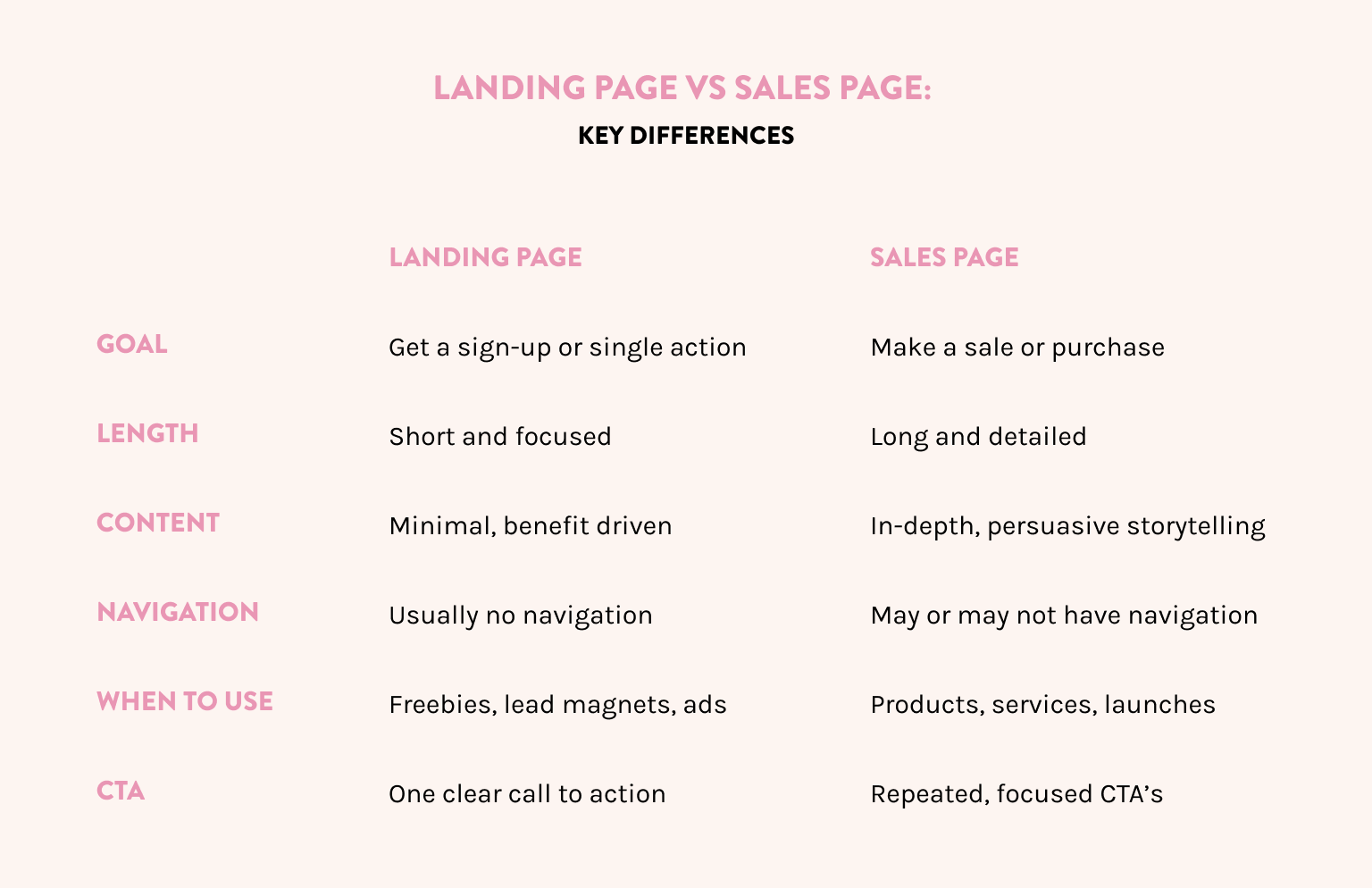
A SIDE-BY-SIDE COMPARISON
This side-by-side comparison breaks down the differences between landing pages and sales pages so you can pick the right one (and know what goes where).
So... what about the home page?
Your home page serves as the “welcome center” of your website. Simply put, it greets people and points them in the right direction.
It’s not meant to sell one thing. Instead, its job is to help visitors figure out where to go next.
A good home page introduces your business, communicates your value quickly, and offers multiple paths forward (read your blog, check out your services, book a consult, etc.).
It is not meant to house every single detail about everything you offer.
The home page usually includes:
A headline that explains who you are and what you do
A brief overview of your services
Navigation to key pages (including landing or sales pages)
CTAs for different types of visitors
Testimonials from past clients
A lead generator to grow your email list
SO, Which one do you need?
The answer depends on what you're trying to do:
Want to grow your list? → You need a landing page.
Want to sell something? → You need a sales page.
Want to guide visitors and make a strong first impression? → Your home page is key.
Each one plays a different role in your website strategy — and when they’re working together, your site becomes a whole lot more effective. Obviously if you have any kind of website, you need a killer home page!
*This post may contain affiliate links, so I may earn a small commission when you make a purchase through links on this site at no additional cost to you.